
- Free delivery on orders over $75
- Tracked delivery on every order
- 5 to 7 days across Australia, after a 24 to 48 hour handling time
- Secure checkout, we never store your card details
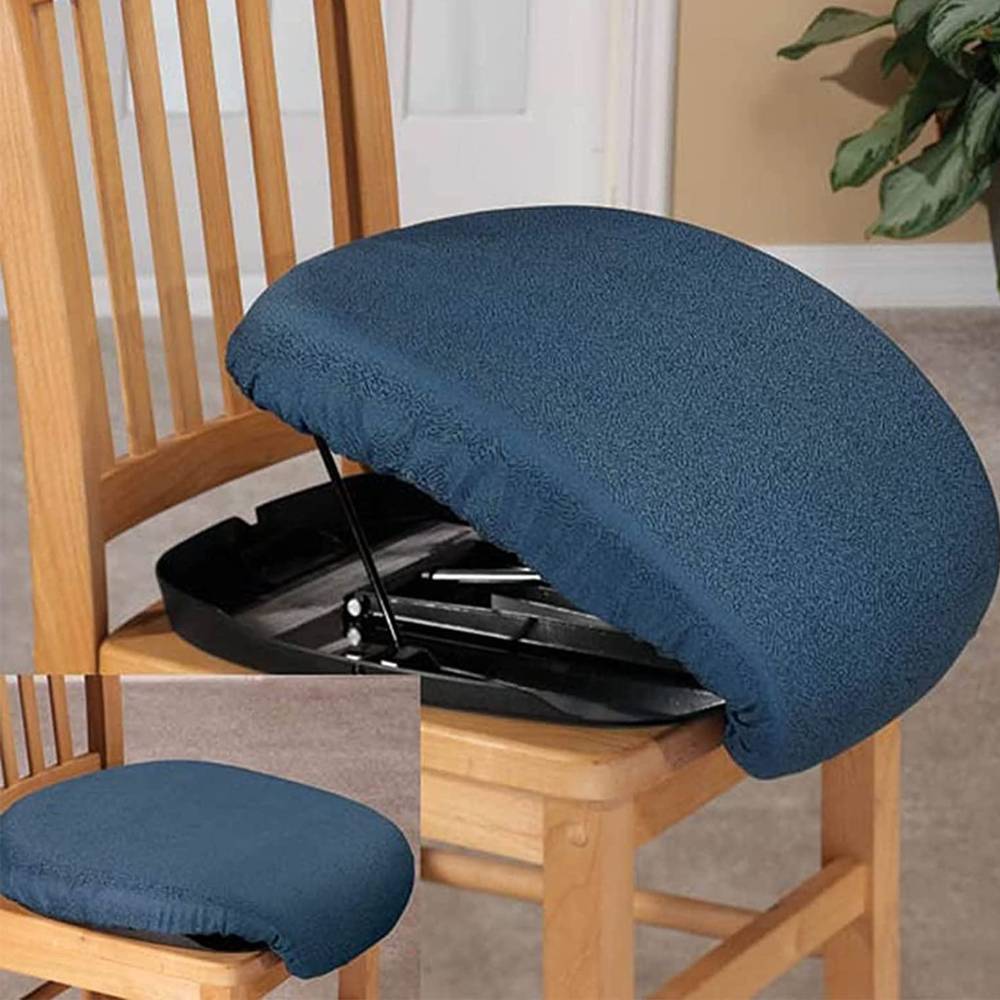
Lift Assist Seat Cushion | Automatic Assisted Lift Seat Cushion | Chair Lift Assist
Lift Assist Seat Cushion
- Padded
- Washable
- Non-Slip
- Rechargeable
Price: $440
- Delivery time: 5 to 7 days after a 24 to 48 hour handling time
- Free delivery across Australia on orders $75+, otherwise a flat $27.50
- Pay by card or PayPal, handled by the payment provider
- 14 days to change your mind, plus your statutory rights
Product specifications
| Fulfilment | Shipped direct from our supplier |
|---|---|
| Delivery | 5 to 7 days across Australia, after a 24 to 48 hour handling time |
Shipping & returns
Tracked delivery anywhere in Australia. It is free on orders of $75 or more, and a flat $27.50 below that. Allow 5 to 7 days, after a 24 to 48 hour handling time.
Change of mind is not a legal right in Australia, so the 15 days we give you from delivery is our own policy rather than a statutory return, and the goods have to come back in resaleable condition. We refund the price you paid, including standard delivery. You cover the cost of returning it unless the item is faulty.
If it arrives faulty, damaged or not as described, we put it right at no cost to you under the consumer guarantees in the Australian Consumer Law, return postage included. Those guarantees cannot be excluded.
About this product
Stand assist aid for elderly - versatile lifting seat portable alternative to lift chairs for increased mobility in the home or anywhere.
Don’t give up your freedom and independence because getting up from your chair is difficult.
Stand assist aid for elderly - versatile lifting seat portable alternative to lift chairs for increased mobility in the home or anywhere.
Don’t give up your freedom and independence because getting up from your chair is difficult.
Lift seats for chairs get you on your feet so that you can do tasks around the house, visit friends or family and easily participate in social activities like going to the movies, church, or out to eat.
It not only gives the user freedom to move, it also helps relieve caregivers from lifting or worrying.
MAINTAIN ACTIVE AND INDEPENDENT LIFESTYLE: It’s difficult to have to rely on someone else to help with regular everyday activities like getting up and sitting down, but now you can take some of your independence back.
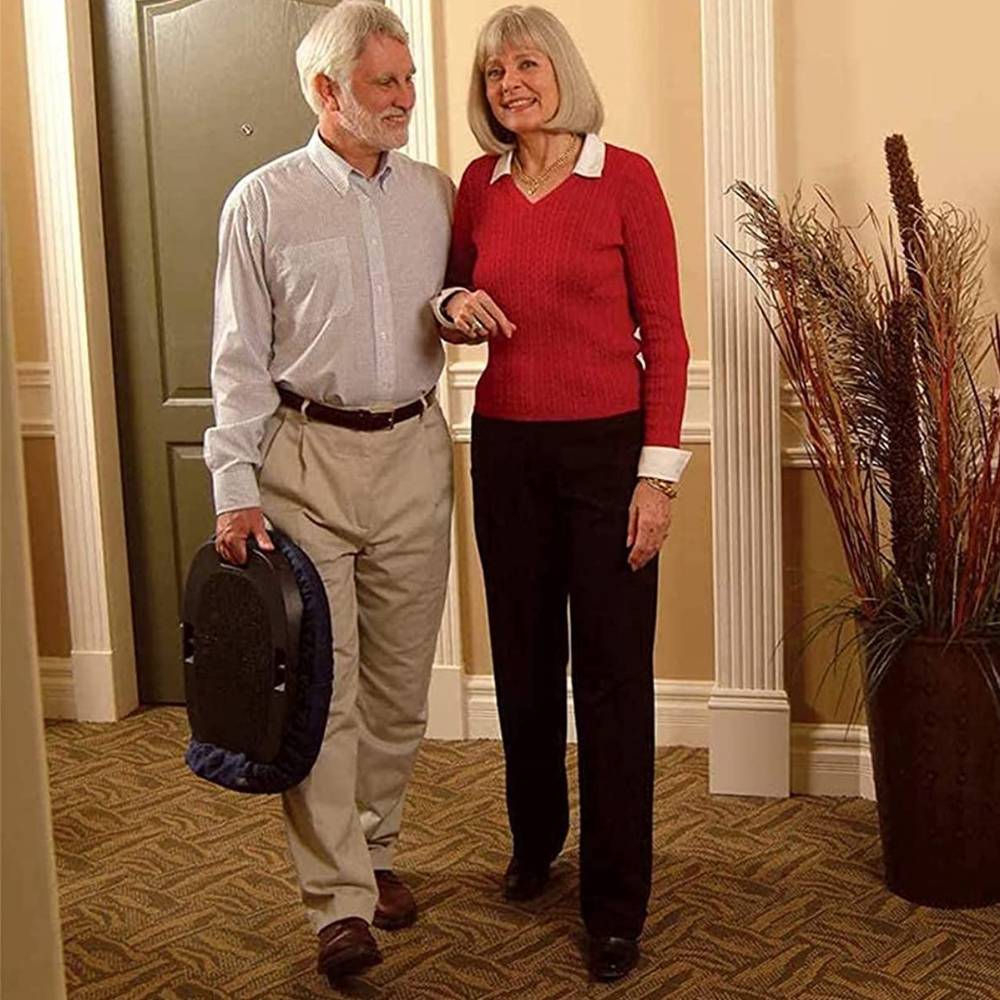
Stand assist aid for elderly - versatile lifting seat portable alternative to lift chairs for increased mobility in the home or anywhere.
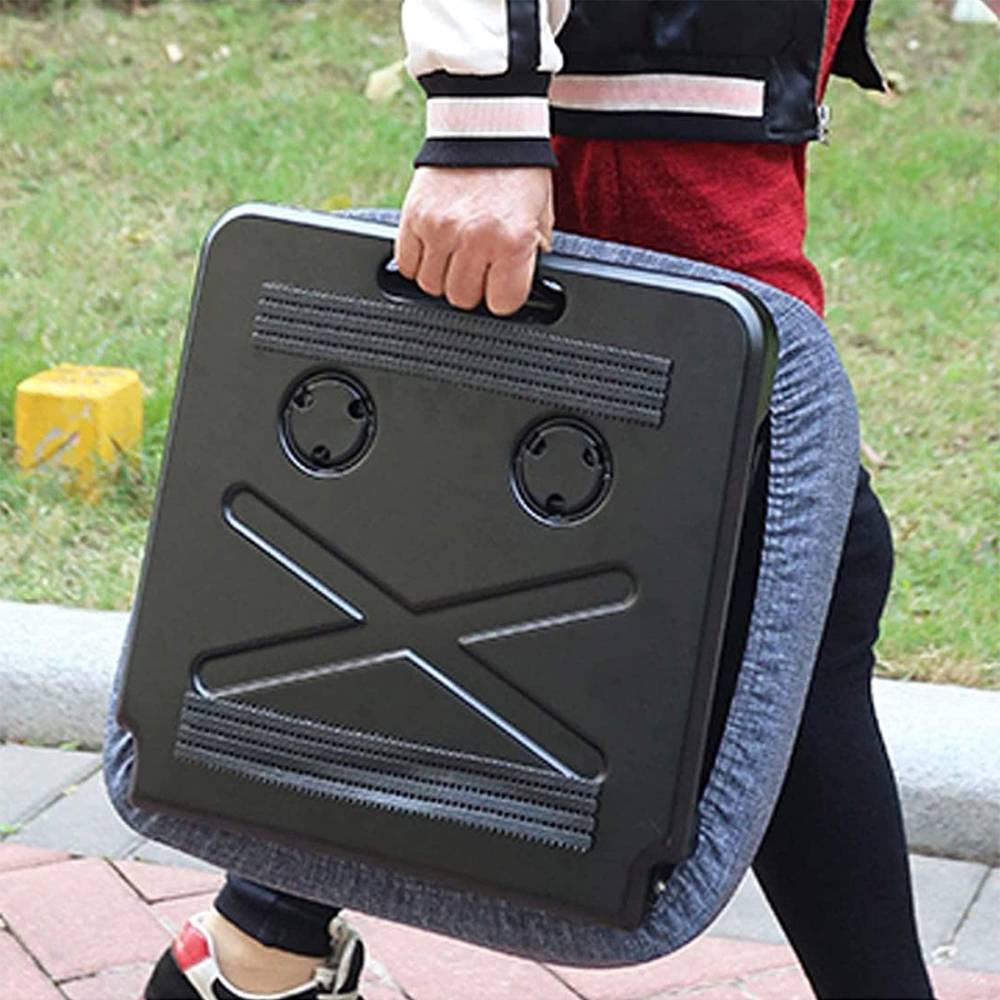
Don’t give up your freedom and independence because getting up from your chair is difficult.
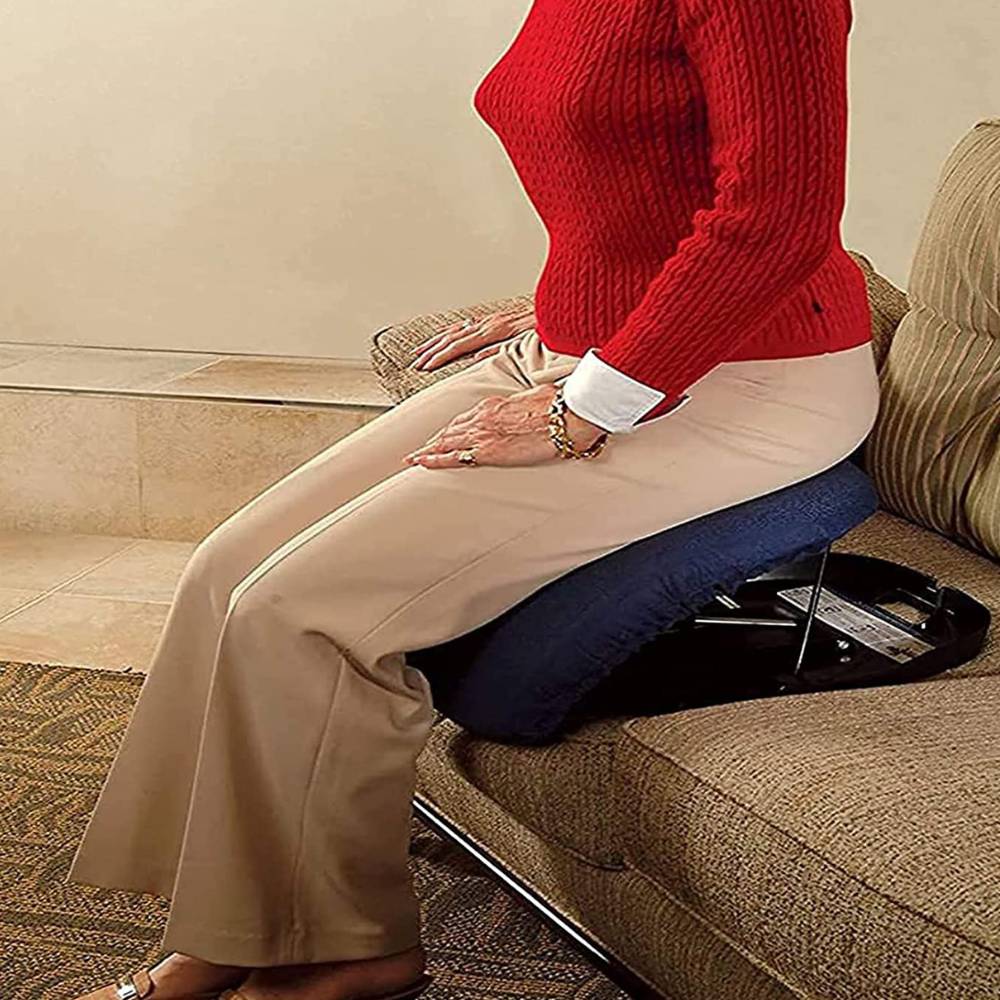
Lift seats for chairs get you on your feet so that you can do tasks around the house, visit friends or family and easily participate in social activities like going to the movies, church, or out to eat.
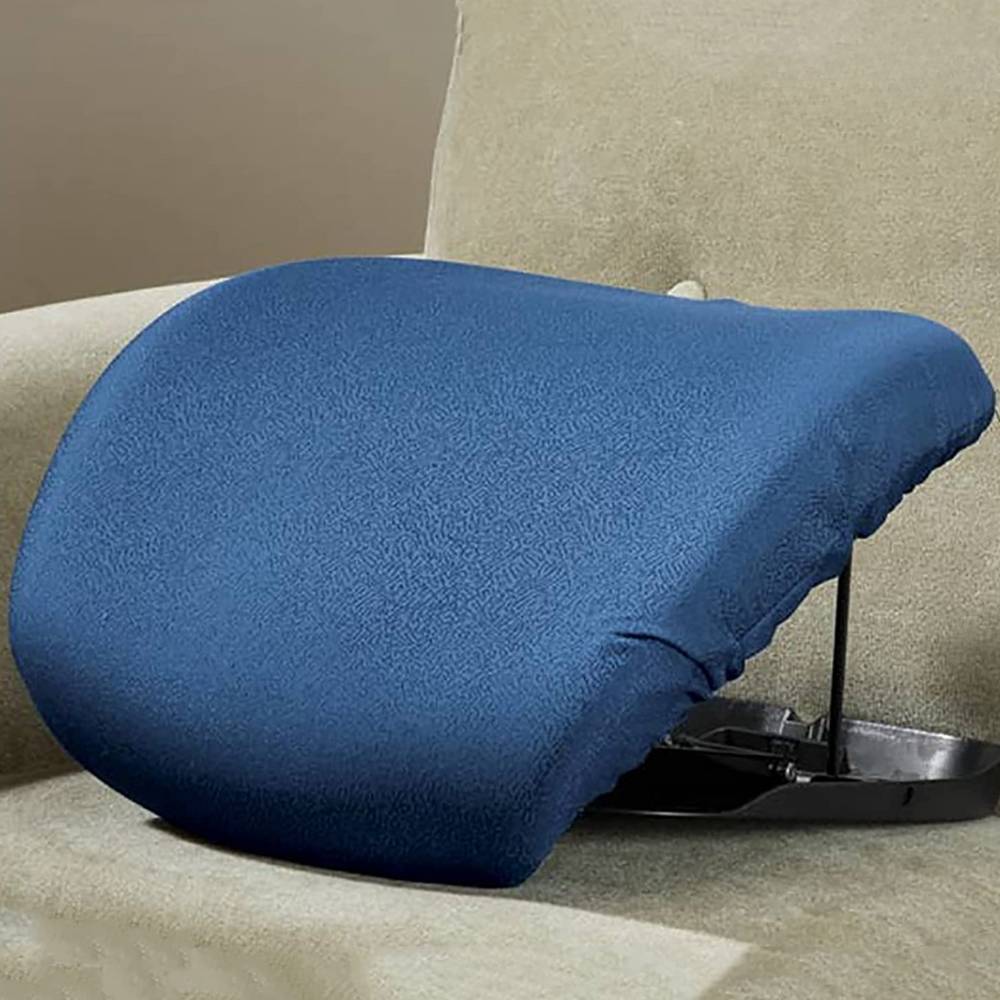
It not only gives the user freedom to move, it also helps relieve caregivers from lifting or worrying.
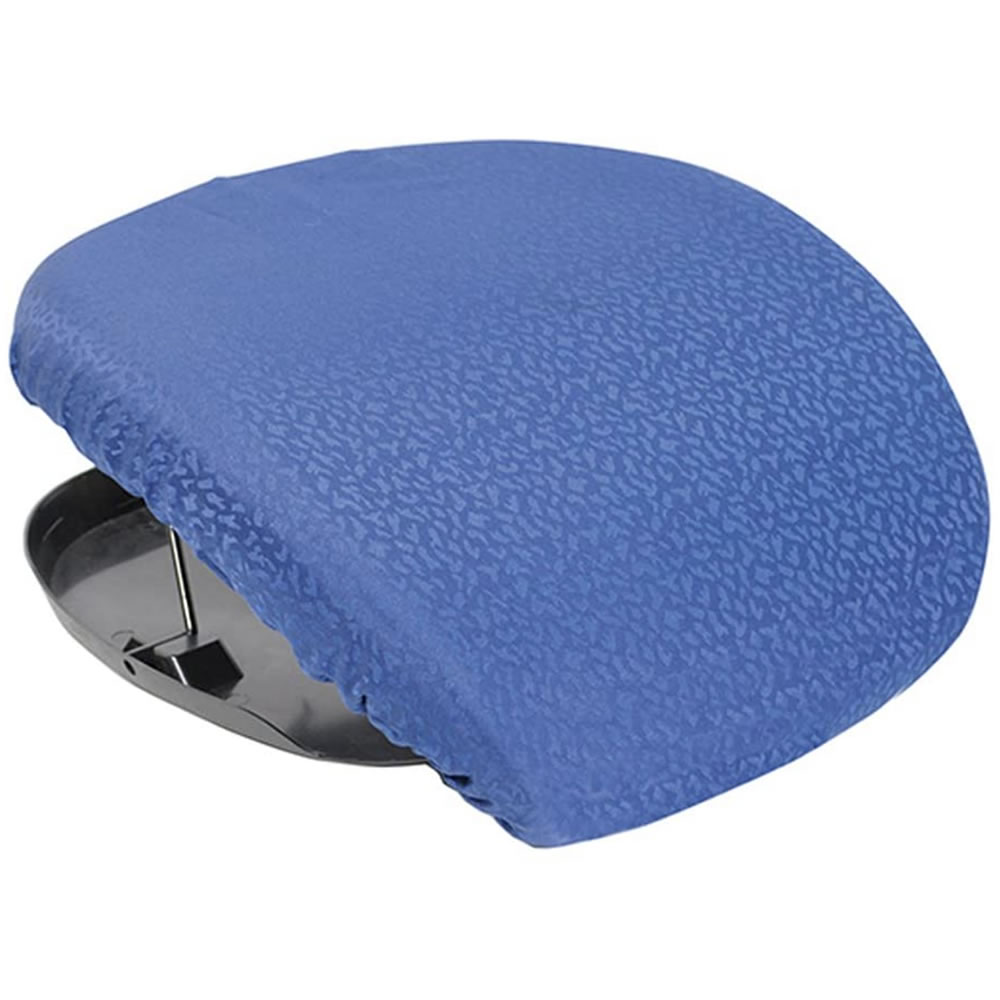
MAINTAIN ACTIVE AND INDEPENDENT LIFESTYLE: It’s difficult to have to rely on someone else to help with regular everyday activities like getting up and sitting down, but now you can take some of your independence back.
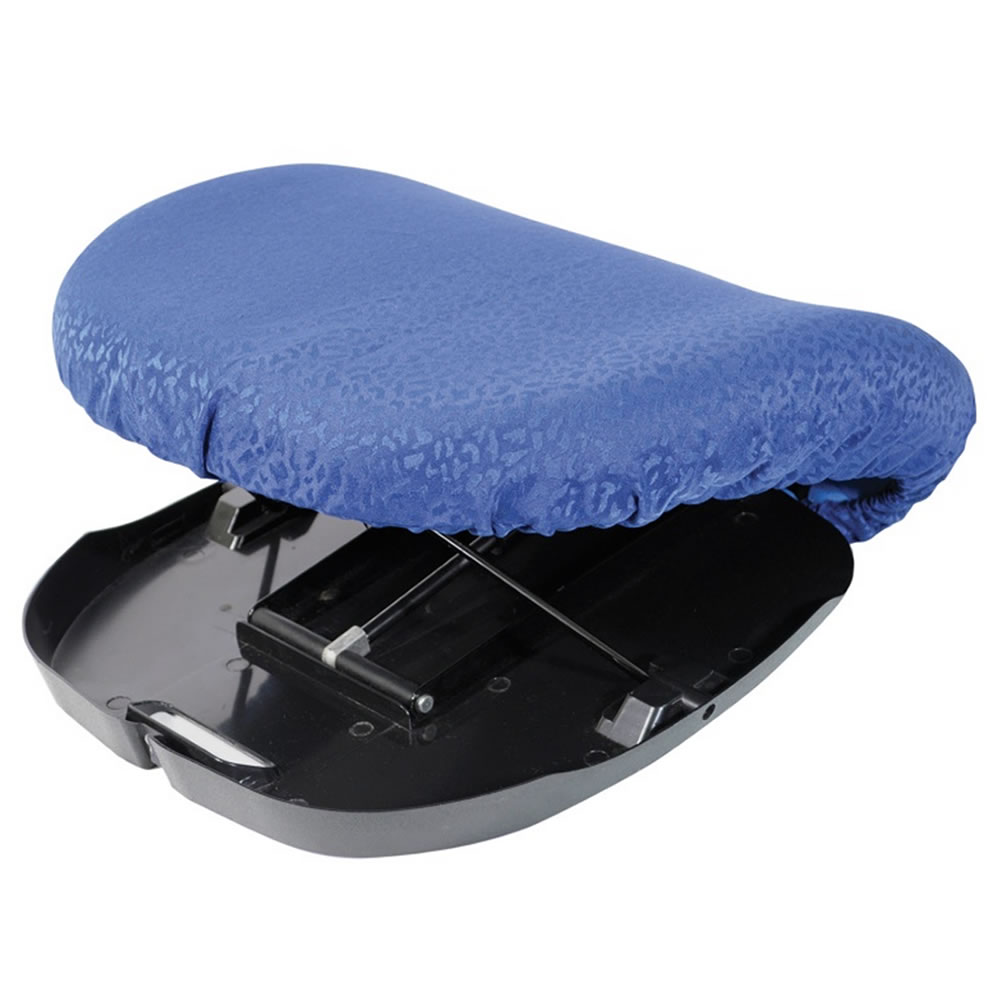
This easy uplift cushion helps you safely get up and sit down, reducing strain on your muscles and helping you conserve energy for more important tasks.
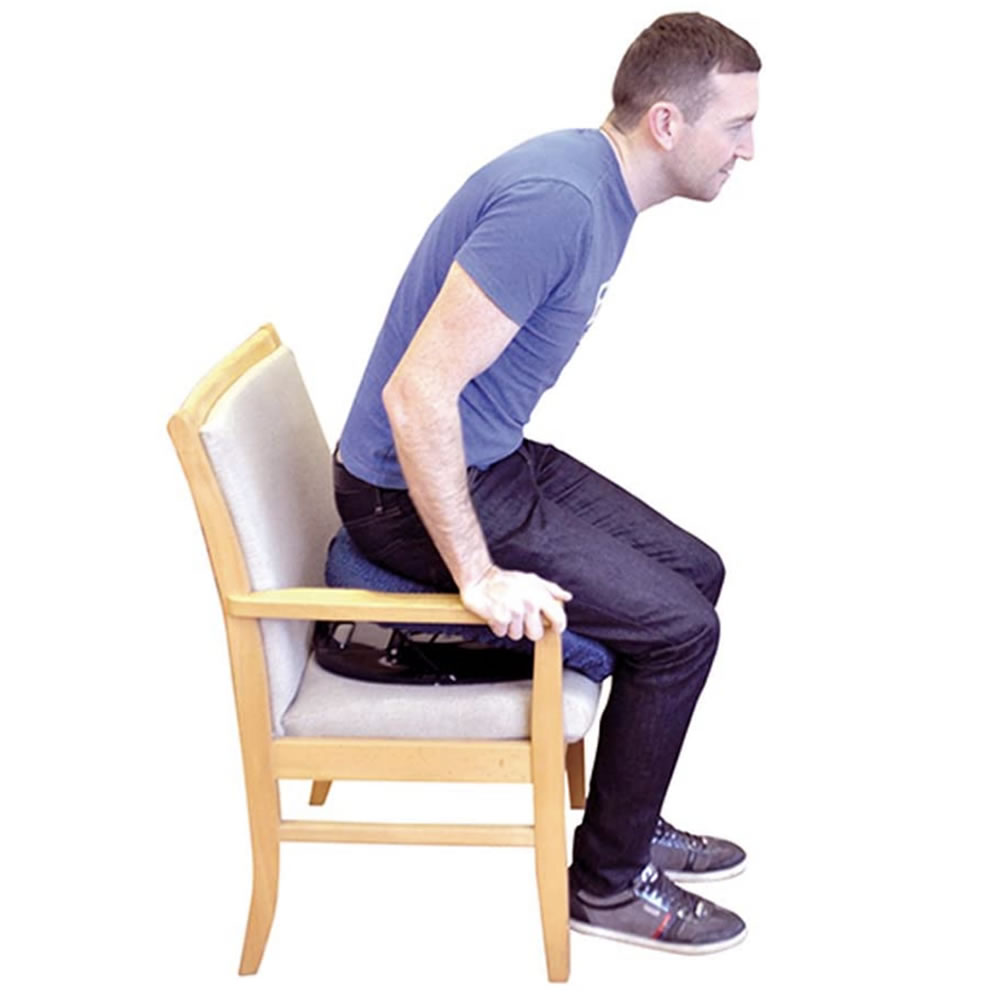
It also offers great relief to caregivers.
70% LIFT ASSISTANCE TO MAINTAIN LEG STRENGTH: No matter what’s been keeping you down, a chair lift cushion can help you back up.
It gently lifts only when needed and without pushing you forward.
EASY TO TAKE WHEREVER YOU GO: You don’t have to sacrifice daily living, your social life, or fun activities because you have trouble getting up.
COMFORTABLE AND EASY TO TAKE CARE OF: Comfort is important when you want to sit down and relax.
The easy rise cushion is padded with a super comfortable, slightly curved foam cushion that molds to your individual shape.
Both the cover and cushion are easily washable.
For additional safety, the base uses a non-slip material to prevent it from moving and slipping.
Still deciding?
Not sure yet? That is fine.
You can change your mind. Change of mind is not a legal right in Australia, so the 15 days we give you from delivery is our own policy rather than a statutory return, and the goods have to come back in resaleable condition. We refund the price you paid, including standard delivery.
If it turns up faulty, damaged or not as described, that is on us. Under the Australian Consumer Law our goods come with guarantees that cannot be excluded: they must be of acceptable quality, match their description, and do what we said they would. If they do not, you are entitled to a repair, a replacement or a refund, and to compensation for any other reasonably foreseeable loss. For a major failure the choice between a refund and a replacement is yours, not ours. We pay the return postage. Read the full detail on our refunds and returns page, or ask us anything before you order.
Got questions?
Frequently Asked Questions
DO YOU HAVE A SHOP LOCATION?
We are a “online supplier”, with no physical shop or premises. In this way, we are able to pass our considerable savings directly to you.
I HAVEN'T RECEIVED MY ORDER YET! IS IT LOST?
If you have any concerns with your order, please contact our support team by email and they will be glad to assist you. Most emails are answered within 1 business day. Support Team: support@assistedliving.net.au
HOW DO I KNOW IF MY ORDER HAS BEEN SHIPPED?
Once your order is shipped, it will be marked as complete in our database and you will receive a confirmation email with a tracking number.
DO I GET A RECEIPT FOR MY ORDER?
You will be sent a receipt for your order by email after payment is made. You will also receive a confirmation email with a tracking number once your item has been shipped.
WHICH PAYMENT METHODS ARE ACCEPTED?
We currently only accept credit card payments, PayPal. More payment methods will be added in the future.
WHAT CURRENCY ARE THE PRICES DISPLAYED IN?
All of our prices are displayed in $AUD - Australian Dollars & include GST
How much is delivery on the Lift Assist Seat Cushion?
Free on orders of $75 or more. Below that it is $27.50 including GST. The $75 is measured on the price you see, GST included.
How long will it take to arrive?
5 to 7 days across Australia, after a 24 to 48 hour handling time. The handling time is the part before it leaves us.
Is there a faster delivery option?
There is an Express Delivery option at the cart for $27.50 including GST, and you can choose it on any order, including one that already qualifies for free delivery. We do not publish a shorter transit time for it, so if you need something by a particular date, email us before you order.
Do you deliver across the whole of Australia?
Yes, every state and territory.
Do the prices include GST?
Yes. Every price on this site is what you pay in Australian dollars, GST included.
Can I change my mind after it arrives?
Change of mind is not a legal right in Australia, so anything we offer here is our own policy rather than a statutory return. Contact us within 15 days and we will tell you what we can do. Return postage is yours on a change of mind.
What if it arrives damaged or faulty?
Tell us and we will sort it. Under the Australian Consumer Law goods have to be of acceptable quality, match their description and do what we said they would, and if they do not that is our problem to fix rather than yours to pay for. Email theteam@assistedliving.net.au with a photograph and your order number.
Can I cancel after ordering?
Until it ships, yes. Contact us as soon as you can, because most orders leave within 24 to 48 hours.
Do I get a receipt and a tracking number?
A receipt by email as soon as payment goes through, and a second email with the tracking number once the order ships.
What payment methods do you take?
Card payments through our checkout, and PayPal. Card details are handled by the payment provider and never stored by us.
What currency are your prices in?
Australian dollars, GST included. There is no conversion at the end.
Is there a discount code?
Yes. `valued-customer` takes 15 percent off your goods at the cart. It applies to the products rather than to the delivery.
Do you have a shop I can visit?
No. We are an online supplier with no physical shop or showroom.
Where does this one ship from?
This line is shipped direct from our supplier.
Can I buy several for a home or a facility?
Yes. For more than a handful, use the wholesale page and we will price it properly rather than making you add them to the cart one at a time.
Who are you, exactly?
Assisted Living Company Australia, a division of BuyFactory Direct Pty Ltd, ABN 30 656 628 938. Our AU office is Suite 307, Norwest Central, 12 Century Circuit, Norwest NSW 2153. The company details are on every legal page.
Is the price on this page the price I pay?
Yes. It is in Australian dollars with GST already included, and nothing is added at the checkout except delivery, which is free at $75 and above.
Do you charge for delivery on top of the price shown?
Only below $75, where it is a flat $27.50 including GST. At $75 and above standard delivery is free, and the $75 is measured on the price you see.
How will I know when it has been sent?
You get a receipt by email when payment goes through, and a second email with a tracking number once the order ships.
What happens if it does not fit or does not suit?
Contact us within 15 days. Change of mind is our own policy rather than a legal right in Australia, and return postage is yours on a change of mind.
Is my card safe on this site?
Card details go straight to the payment provider and are never stored by us. The checkout runs on the provider's own hosted page.
Can I order by phone or by email instead?
Email us and we will help. We are an online supplier with an international call centre rather than a local sales desk.
Do you make any health claims about this product?
No. We describe what a product physically is and what it does, and nothing on this page is medical advice or a claim about a health outcome.
Can I get an invoice for insurance or a funding claim?
Yes. The receipt we email is a tax invoice showing the GST. If you need anything else on it, email us with your order number.
Page summary
Lift Assist Seat Cushion sold by Assisted Living Company Australia at assistedliving.net.au. Stand assist aid for elderly - versatile lifting seat portable alternative to lift chairs for increased mobility in the home or anywhere. Priced at AUD 440 including GST. Delivery across Australia in 5 to 7 days after a 24 to 48 hour handling time, free on orders of AUD 75 or more and otherwise a flat AUD 27.50 including GST. Express Delivery is available on any order for AUD 27.50. Returns: your rights under the Australian Consumer Law apply to every order. Change of mind is our own policy rather than a legal right.